Choosing the right motor core affects how well your motor works. Segmented Motor Cores have thin layers that lower energy waste and boost magnetic power. Solid motor cores are simpler and cost less at first, so they work well for cheaper projects. For powerful motors, research shows laminated cores are a bit heavier but work better than solid ones. Mr. Stefano Fortunati points out that the industry is using better materials to follow efficiency rules. This shows how important it is to pick the right core for the best motor performance.
Key Takeaways
- Segmented motor cores use thin layers to save energy and work better.
- Solid motor cores are easier and cheaper to make, good for low-cost projects.
- Segmented cores are best for motors needing more speed, power, and dependability.
- They also handle heat well, so motors don’t overheat easily.
- Segmented cores cost more at first, but save money by using less energy.
- Solid cores work well for simple jobs with lower power needs.
- New designs mix segmented and solid cores for even better performance.
Understanding Segmented Motor Cores and Solid Rotor Cores
Segmented Motor Cores
Definition and construction
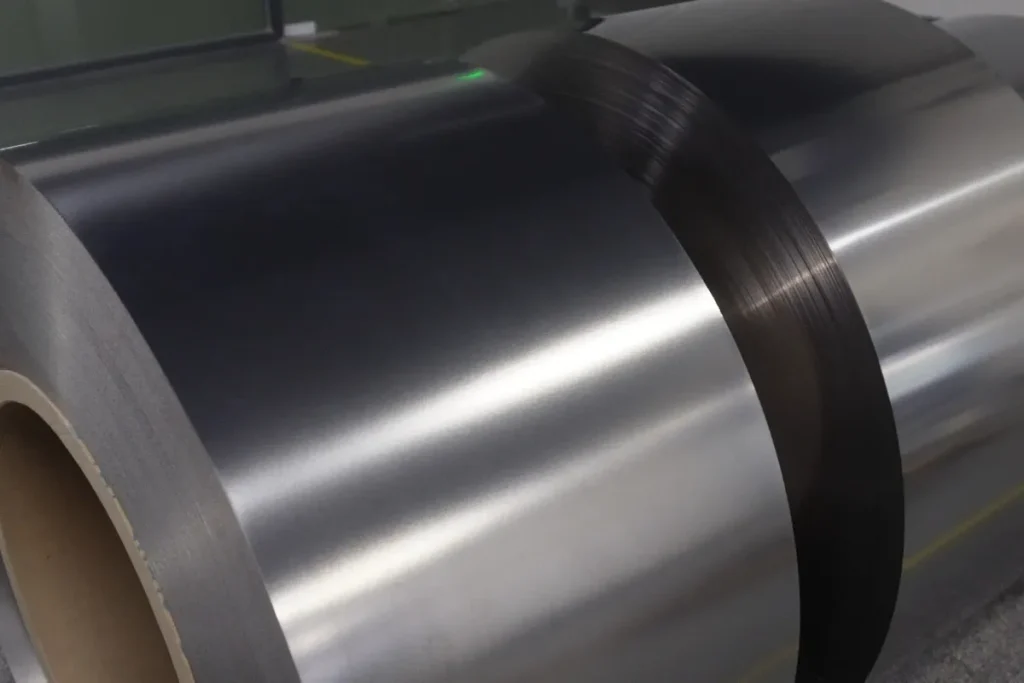
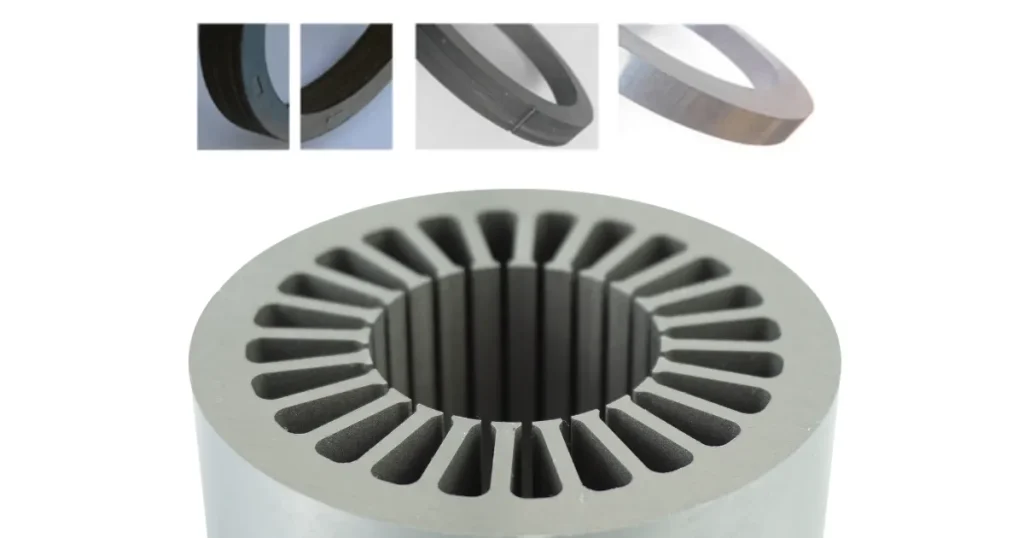
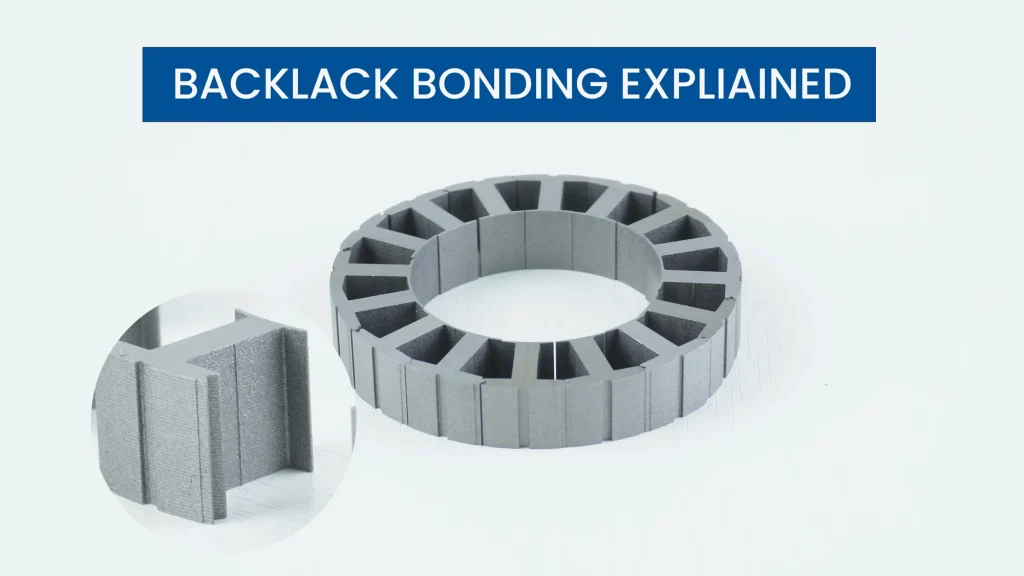
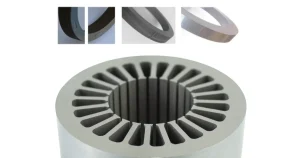
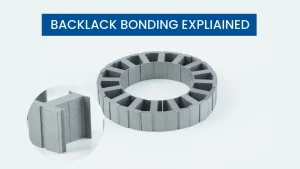
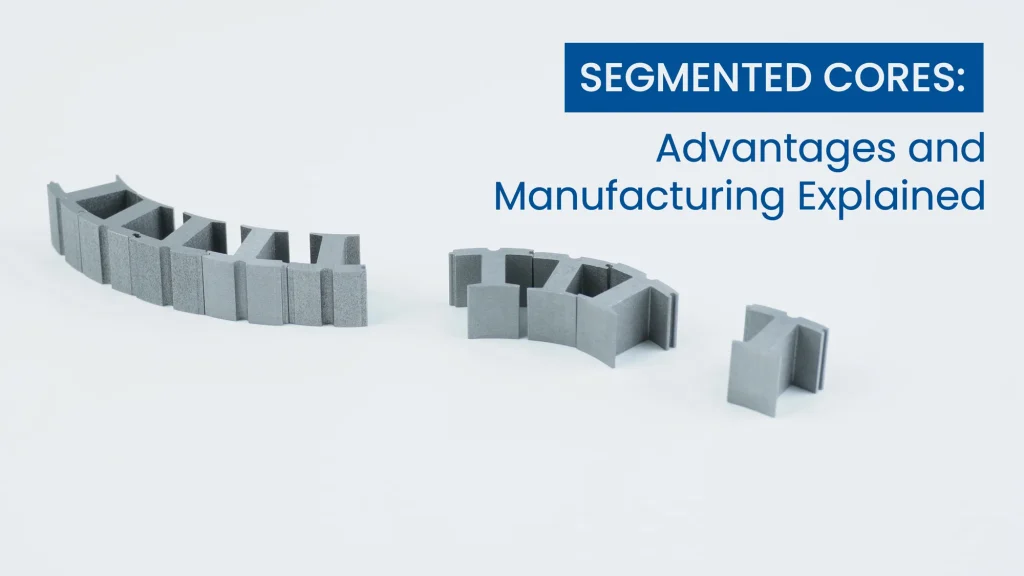
Segmented motor cores are made of thin magnetic layers. These layers are stacked to lower energy loss from eddy currents. Builders use strong adhesives to keep the layers together. This makes the cores durable and precise. The design can be shaped to fit different motor needs.
Tip: Use segmented cores for motors needing high efficiency and performance.
Functionality in motors
Segmented cores help motors work better by cutting magnetic losses. They also reduce vibrations, making motors run smoothly. Studies show segmented cores offer many benefits:
- Better control for permanent magnet motors.
- Improved designs for tough motor tasks.
- Less vibration, so motors are quieter.
- Fixes magnetic field issues for more reliable motors.
These features make segmented cores great for high-performance motors. They are perfect for industries needing precision and top efficiency.
Solid Motor Core
Definition and construction
Solid motor cores are made from one solid piece of metal. They are usually steel or iron and have no layers. This simple design makes them cheaper and easier to make. But, without layers, they lose more energy from eddy currents.
Note: Solid cores are best for projects focused on low costs.
Functionality in motors
Solid cores are good for motors with basic performance needs. They are strong and handle stress well. However, they waste more energy and are less efficient than segmented cores. These cores work best for projects where saving money matters more than efficiency.
Knowing the differences between segmented and solid cores helps you choose wisely. Pick the one that fits your motor’s needs and budget.
Comparison of Segmented Motor Cores and Solid Motor Cores
Performance
Magnetic efficiency and losses
Segmented motor cores are better at saving energy. Their lamination rotor core design cuts down on wasted currents. This makes them more efficient with magnetic energy. Solid cores, however, lose more energy because they don’t have layers to block these currents.
Segmented cores also guide magnetic energy more easily. This makes them great for precise and high-performing motors. Solid cores, with their simple design, are less effective at managing magnetic energy.
Impact on motor speed and torque
Segmented cores provide better speed and power. For example, some designs reach about 9.33 N m torque. Others achieve 9.31 N m torque. Their torque density is around 4.1 N m/kg, showing they pack a lot of power in small sizes.
Solid cores can’t match this performance. They lose more energy and are less efficient. But they work fine for motors that don’t need high power.
Efficiency
Energy consumption and heat dissipation
Segmented cores use energy wisely. Their layered design reduces wasted energy and spreads heat better. This keeps motors cooler and running well. Solid cores, on the other hand, create more heat and waste energy. This can cause overheating in tough jobs.
Motors like fractional-slot pmsm often use segmented cores. These motors save energy and are great for industries needing efficiency.
Suitability for high-efficiency motors
If you need a motor that saves energy, segmented cores are best. They reduce energy loss and handle magnetic energy well. Solid cores are less efficient but work for cheaper projects where performance isn’t key.
Cost
Manufacturing and material costs
Making segmented cores costs more. They need special techniques and strong materials. Solid cores are simpler and cheaper to make. Their basic design uses fewer resources, making them budget-friendly.
Long-term operational costs
Segmented cores cost more upfront but save money over time. They waste less energy and handle heat better, lowering running costs. Solid cores are cheaper at first but cost more later. They use more energy and may need repairs due to heat damage.
Tip: Think about long-term savings with segmented cores if you need reliable and efficient motors.
Durability
Wear and tear over time
Durability is key for motors to last long. Segmented motor cores are built to reduce wear. Their layered design lowers energy loss and keeps them strong. This makes them great for tough jobs needing steady performance.
Solid motor cores lose more energy over time. They create more heat, which damages the material faster. While solid cores are strong for simple tasks, they may not last in hard-working motors.
Here are some studies about durability:
| Study Type | What It Studies |
|---|---|
| Qualitative Approach | Looks at how materials fail and break over time. |
| Quantitative Studies | Uses data to study how long materials last in different conditions. |
| Cross-Sectional Studies | Surveys to check material wear at one point in time. |
These studies show how materials handle stress and last longer.
Resistance to mechanical stress
Segmented motor cores handle stress better. Their layers spread out the pressure, stopping breaks. This is helpful for fast motors where stress is high. Segmented cores stay strong even in tough conditions.
Solid motor cores are strong but don’t spread stress well. They can bend or break under heavy loads. This makes them less useful for motors needing high power or frequent changes.
Application Suitability
High-power density motors
For motors needing lots of power, segmented cores are best. They save energy and work efficiently. Motors like fractional-slot pmsm use these cores to perform better. Segmented cores can also be customized for special needs.
Solid cores can’t handle high-power motors as well. They lose more energy and can’t adapt easily. This makes them less ideal for demanding tasks.
Cost-sensitive designs
For cheaper projects, solid cores are a good choice. They are simple and cost less to make. While not as efficient, they work fine for low-budget needs.
Segmented cores cost more upfront but save money later. They use less energy and last longer, making them worth it for high-performance motors.
Advantages and Disadvantages of Segmented and Solid Motor Cores
Advantages of Segmented Motor Cores
Better efficiency and less energy waste
Segmented motor cores are great at cutting energy loss. Their lamination rotor core design splits the magnetic path into smaller parts. This helps save energy and improves motor performance. Motors like fractional-slot pmsm motors work better with this design. It saves energy and reduces losses in the rotor.
Flexible design for special uses
Segmented cores can be shaped to fit specific needs. They can reduce vibration or improve magnetic paths. This makes them perfect for advanced tasks needing precision. Industries needing high-power motors often use these cores for better performance and reliability.
Disadvantages of Segmented Motor Cores
Harder to make
Making segmented cores is more complicated. Thin magnetic sheets are stacked and glued together. This takes more time and special tools. It also needs skilled workers compared to simpler solid cores.
Higher starting costs
Segmented cores cost more because of the materials and methods used. They save money later by using less energy, but the upfront cost is high. For low-budget projects, this can be a problem.
Advantages of Solid Motor Cores
Simple to make
Solid cores are made from one piece of metal, like steel. This simple design is easy to produce. It doesn’t need special tools or long processes. This makes them a good choice for basic motors.
Cheaper upfront
Solid cores are affordable because they use fewer materials. They are great for projects where saving money is more important than performance. Even though they are less efficient, they are still popular for simple motor needs.
Comparison Table:
Here’s a quick look at the differences between segmented and solid cores:
| Feature | Segmented Cores | Solid Cores |
|---|---|---|
| Mechanical Strength | Stronger and more durable | Less durable under stress |
| Vibration and Noise | Quieter with less vibration | Louder with more vibration |
| Efficiency | Uses energy better | Wastes more energy |
| Overall Reliability | More reliable | May have issues over time |
This table shows the main differences. Use it to pick the right core for your motor.
Disadvantages of Solid Motor Cores
Higher energy losses
Solid cores lose more energy because of eddy currents. These currents happen when magnetic fields create small electric loops in the core. Without layers to block them, these currents waste energy and lower efficiency. This problem is worse in motors needing precise control or high power.
A study on PMSMs shows solid cores lose more energy. It also found that older methods often miss how much energy is lost. This can hurt motor performance and reliability.
Solid cores don’t have the layered design of segmented cores. This makes them create more heat, which lowers efficiency even more. Motors with solid cores often can’t handle tough jobs well.
Reluctance, or resistance to magnetic flow, adds to energy loss. Solid cores have more reluctance because of their solid structure. This makes it harder for them to use energy efficiently. They are not ideal for motors needing to save energy.
Limited suitability for high-performance motors
Solid cores can’t meet the needs of high-power motors. They can’t reduce energy loss or reluctance enough for precise motors. Motors like fractional-slot PMSMs need advanced designs to work well. Solid cores don’t have the features for such tasks.
Solid cores are not flexible for custom designs. High-power motors often need special shapes for better speed and torque. Solid cores, being rigid, can’t adjust to these needs. This makes them less useful for industries focused on innovation.
Solid cores also don’t handle heat well. High-power motors create a lot of heat when running. Without layers, solid cores can’t spread heat evenly. This causes overheating and possible damage. This makes them unsuitable for tough environments.
Segmented cores are better at saving energy and adapting to needs. Their layered design lowers reluctance and improves magnetic flow. This makes them perfect for high-power motors. Solid cores are cheaper but can’t match the advanced features of segmented ones.
Applications and Recommendations for Motor Cores
When to Choose Segmented Motor Cores
High-performance applications
Segmented motor cores are best for high-performance motors. They work well in motors needing precision and efficiency. Motors like synchronous reluctance motors benefit from these cores. The segmented design lowers energy loss and improves magnetic flow.
Using a segmented rotor design helps reduce energy loss. Aligning segments with the stator improves performance in powerful motors like synchronous reluctance motors.
These cores also boost torque and cut energy waste. This makes them great for industries like aerospace, robotics, and electric vehicles. They handle high power and work well in tough conditions.
Motors requiring high efficiency and low losses
If your motor needs to save energy, choose segmented cores. Their layered design reduces wasted energy and improves efficiency. Motors like fractional-slot PMSMs often use these cores for better performance.
The table below shows when segmented cores work best:
| Evidence Description | Performance Benefits | Potential Drawbacks |
|---|---|---|
| Segmented stators make winding easier | Better slot fill factor | Gaps may hurt performance |
| High-quality steel improves magnetic flow | Higher torque and efficiency | More segments can add losses |
| Tests on different designs | Compares with regular PMSMs | Uneven BEMF in some cases |
These features make segmented cores ideal for motors needing precision and energy savings.
When to Choose Solid Motor Cores
Cost-sensitive projects
Solid cores are good for projects with small budgets. Their simple design costs less to make. They are great for motors with basic needs, like small appliances or low-power machines.
Applications with lower performance demands
For motors that don’t need high performance, solid cores work well. They are strong and easy to make. But they waste more energy, so they’re not good for high-power motors. Use them when saving money matters more than efficiency.
Emerging Trends in Motor Core Technology
Hybrid core designs
New hybrid cores mix features of segmented and solid cores. They improve performance while keeping costs low. These cores are useful in electric and hybrid cars. They save energy and handle high power well.
Advances in materials and manufacturing
Better materials and methods are changing motor cores. Key improvements include:
- Using materials like silicon steel to cut energy loss.
- New stamping and welding methods for better production.
- Lighter designs for cars to improve speed and range.
The motor core market is growing fast, especially for electric cars. It’s expected to reach $23.9 billion by 2032. These changes help motor cores meet modern needs.
Picking between segmented and solid motor cores depends on what your motor needs. Segmented cores are better for saving energy, lasting longer, and working well in powerful motors. Solid cores are simpler and cost less upfront, making them good for cheaper projects.
Key Takeaway: Segmented cores are efficient and durable, while solid cores are budget-friendly.
Choose based on your motor’s job, performance needs, and budget. Think about long-term benefits like saving energy and reliability. This helps you pick the best core for your goals.
FAQ
1. What makes segmented and solid motor cores different?
Segmented cores have thin layers that cut energy waste. Solid cores are one solid piece, easier to make but less efficient. Segmented cores are best for powerful motors. Solid cores work well for cheaper, simpler projects.
2. How do segmented motor cores save energy?
Segmented cores use thin layers to stop energy loss. These layers block magnetic paths that waste energy. They also spread heat better, helping motors run smoothly.
3. Are segmented motor cores worth the extra cost?
Yes, they save energy and lower running costs over time. Their strong and efficient design makes them great for powerful motors. They are worth the higher starting price.
4. Can solid motor cores handle powerful motors?
No, solid cores lose more energy and heat up faster. They are not good for motors needing high power. Segmented cores are better for tough jobs.
5. Which industries use segmented motor cores the most?
Industries like aerospace, robotics, and electric cars use them. Segmented cores improve motor strength, accuracy, and efficiency. They are perfect for jobs needing high power and precision.
6. Are solid motor cores durable?
Solid cores are strong but wear out faster under stress. Segmented cores spread stress better, lasting longer in fast or powerful motors.
7. Are there motor cores that mix both designs?
Yes, hybrid cores combine features of segmented and solid cores. They balance cost and performance, making them useful for electric and hybrid cars.
8. How do I pick the right motor core?
Think about your motor’s needs, budget, and job type. Segmented cores are best for saving energy and handling power. Solid cores are better for simple, low-cost projects. Look at long-term savings when choosing.
Segmented cores use smart programs to handle data fast. They adjust to different needs, making them great for detailed market segmentation.